
Natural habitats are being lost at an alarming rate each passing day
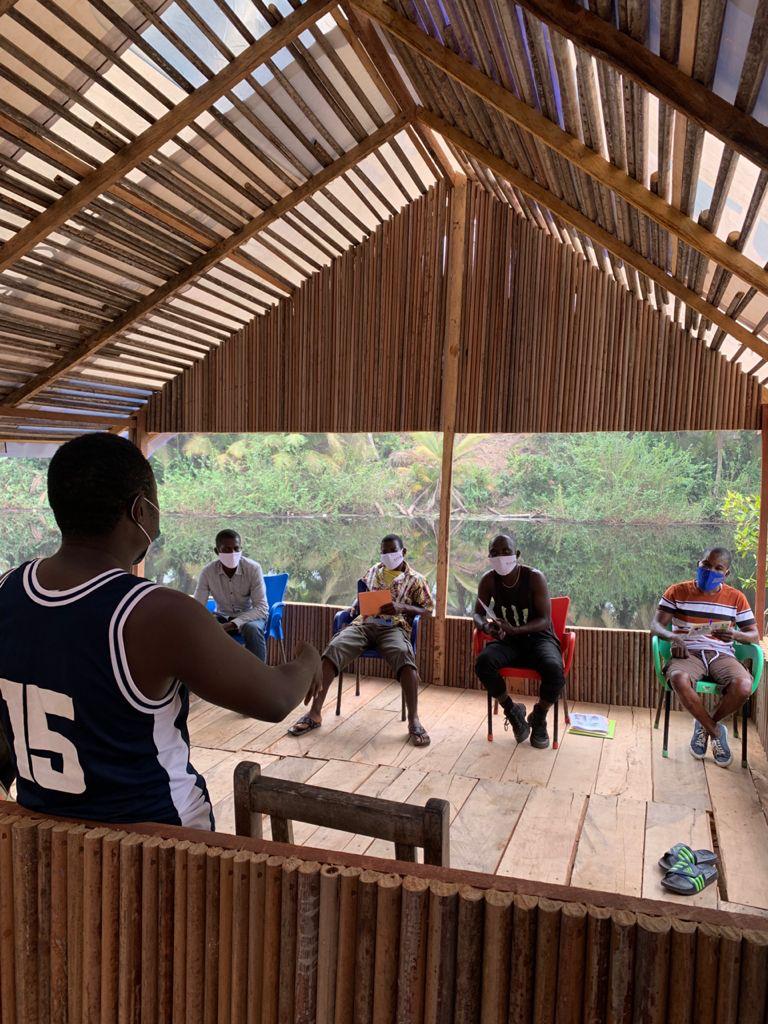
Our World Our Seas is an environmental NGO established in 2019 with the aim of to encouraging the interconnectivity between aquatic and terrestrial biodiversity. We are committed to highlighting threats to Ghana's marine and freshwater ecosystems and promote the abatement of these threats. We do this my nurturing young conservationist to lead citizen-science programmes in communities with different environmental concerns. OUR MISSION. Our mission is to ensure local communities take the lead in addressing environmental and biodiversity concerns. OUR VISION Our vision is to ensure environmental protection and biodiversity conservation education reaches the most remote part of Ghana.
Natural habitats are being lost at an alarming rate each passing day, pushing hundreds of known and unknown species into extinction and threatening the livelihood of millions of people. Human induced climate change has contributed to extreme weather conditions being recorded all over the world threatening the future existence of the life, especially the marine ecosystem.
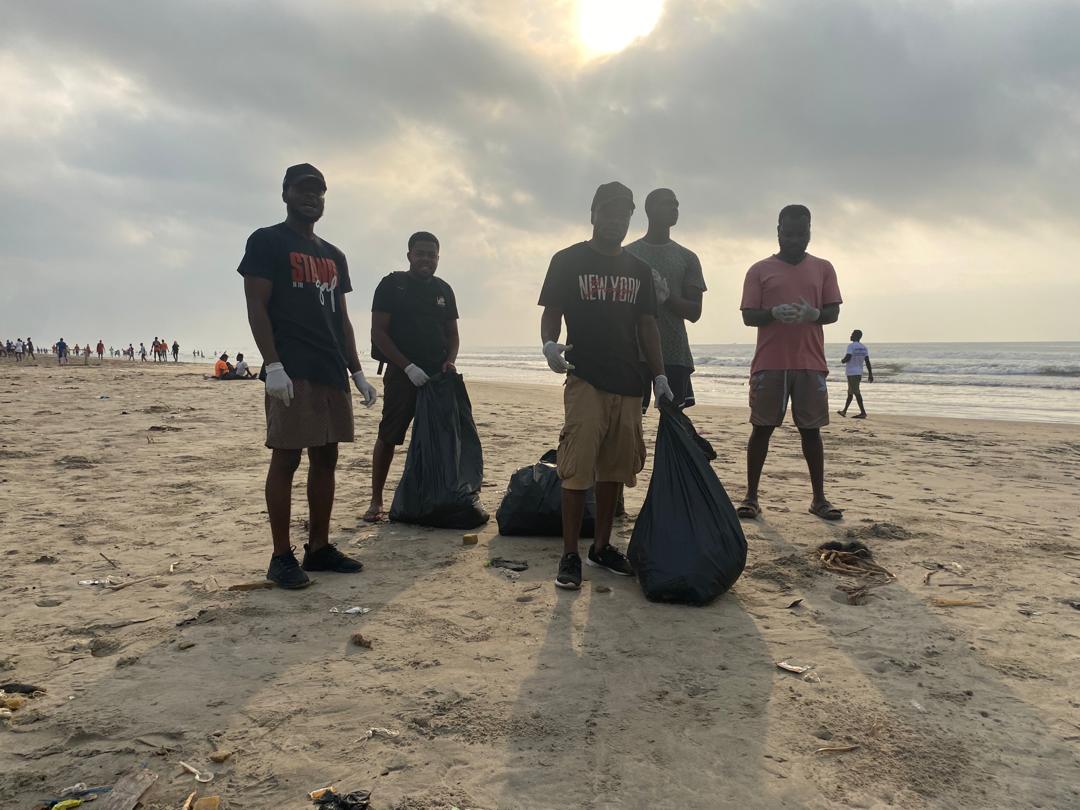
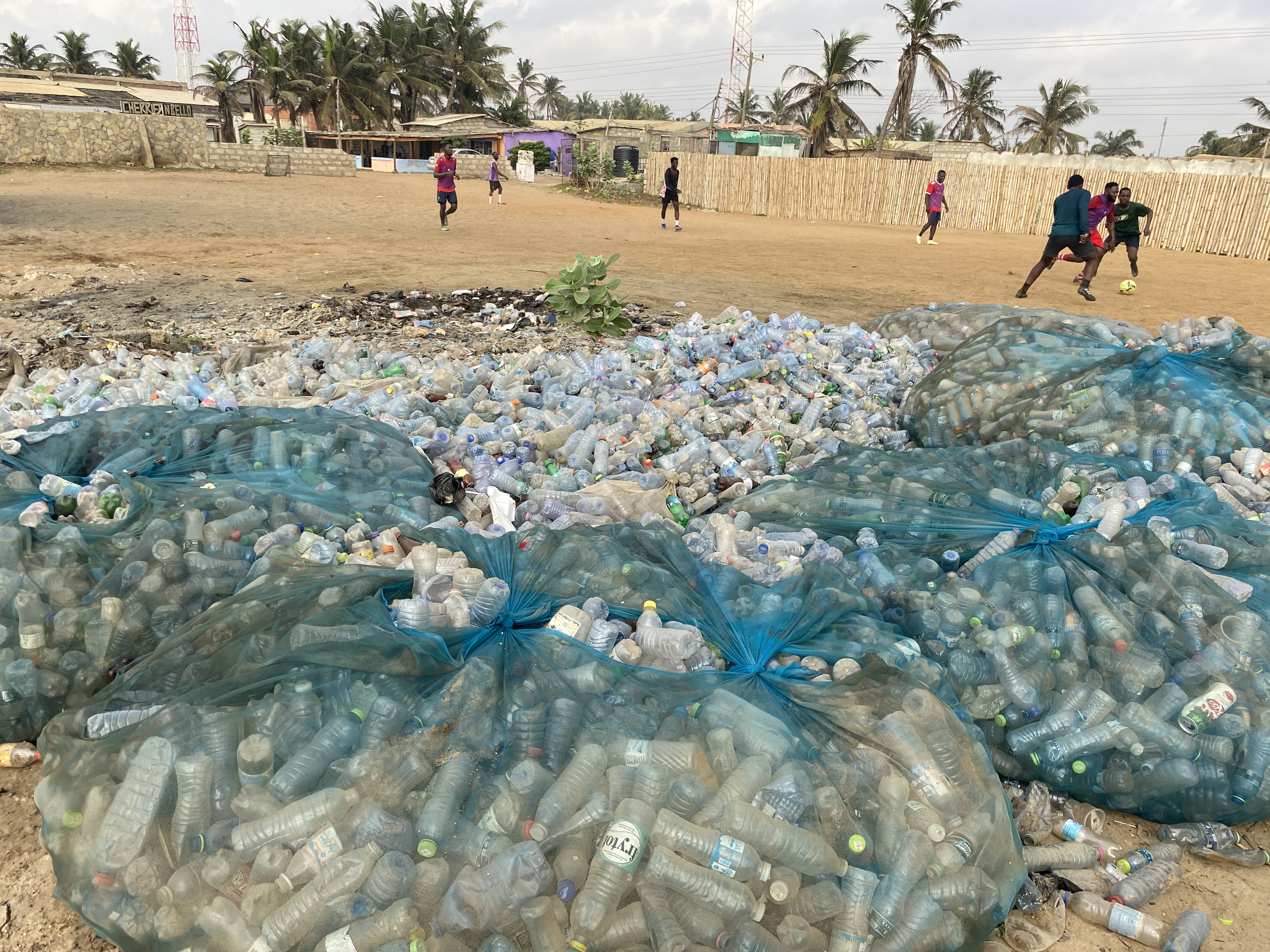
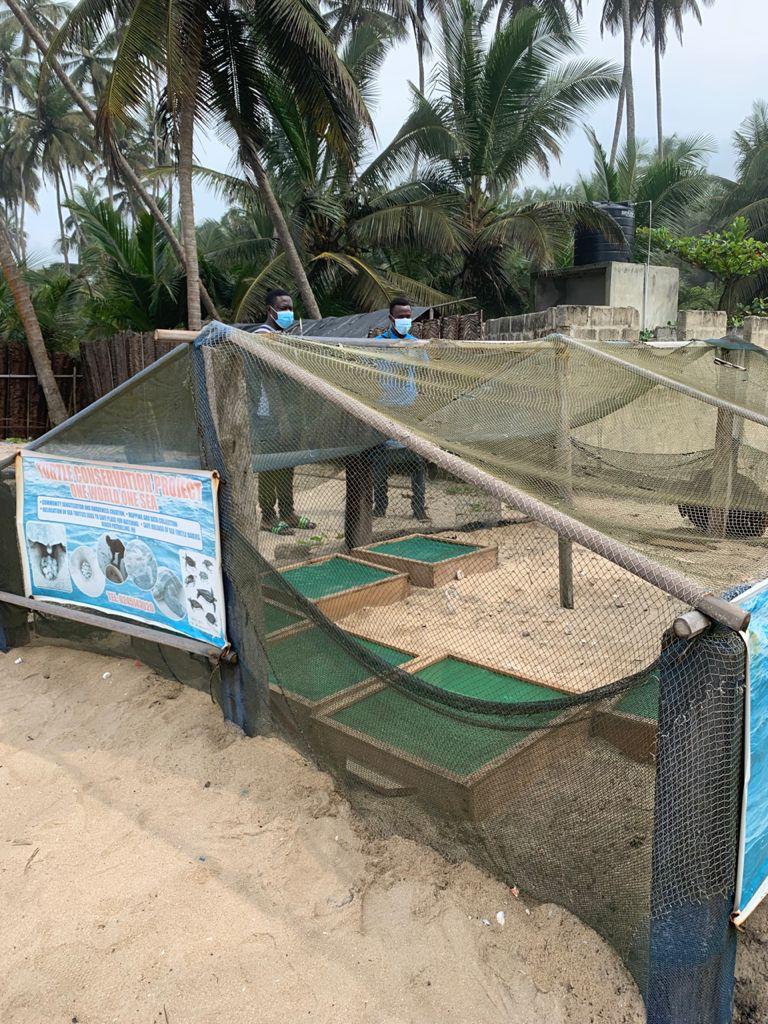
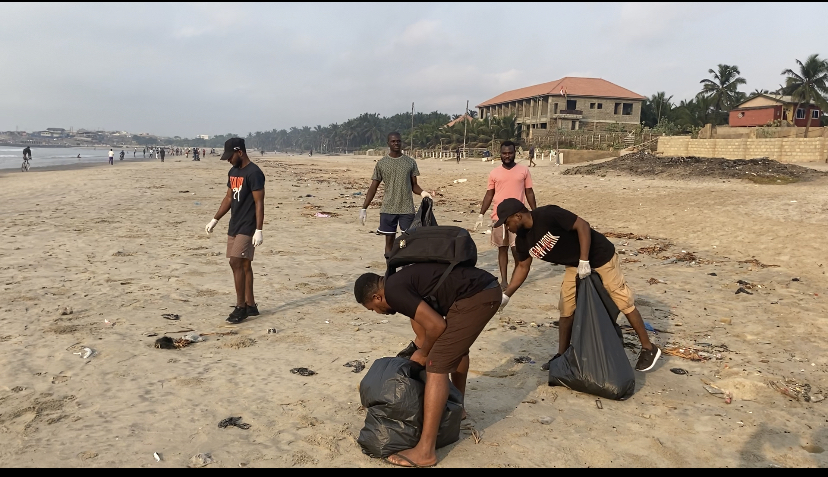
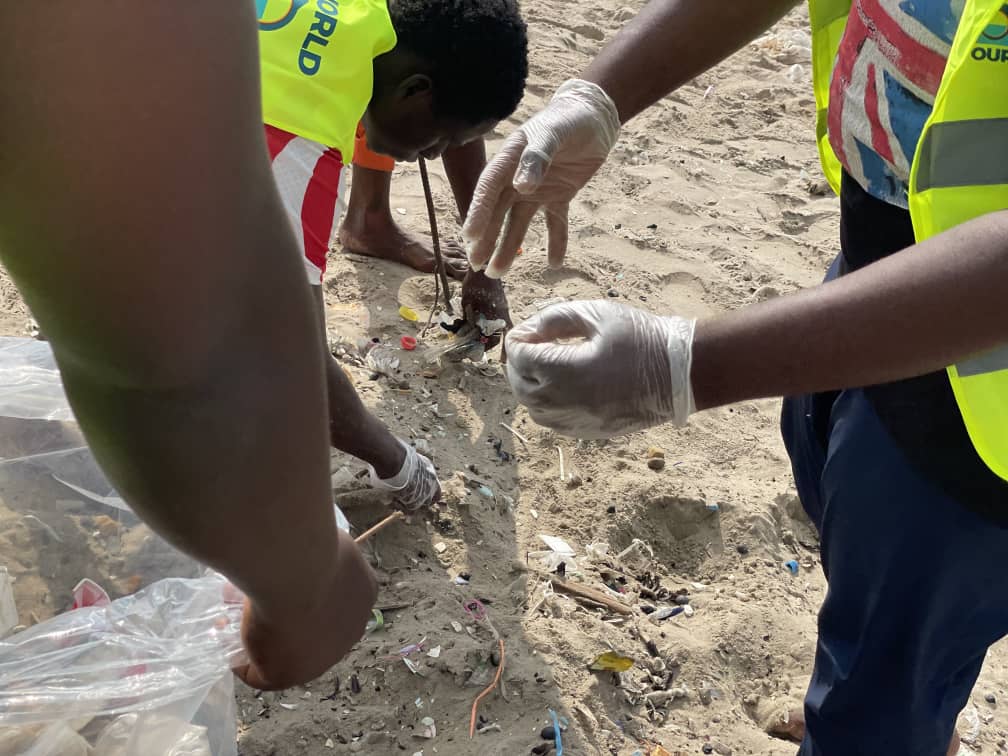
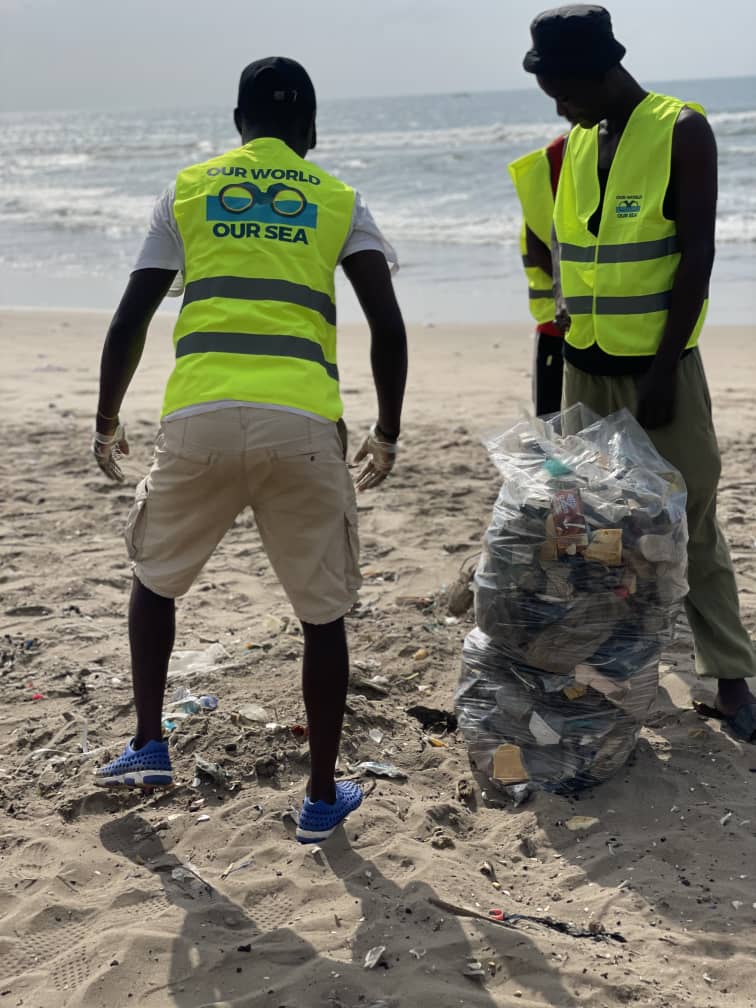
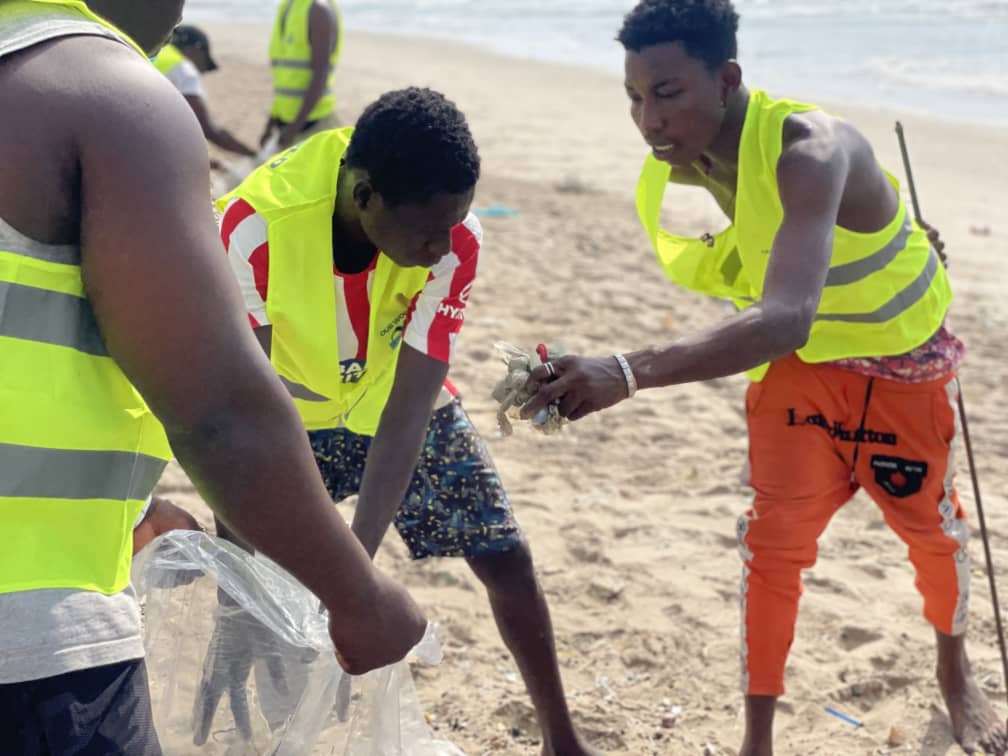
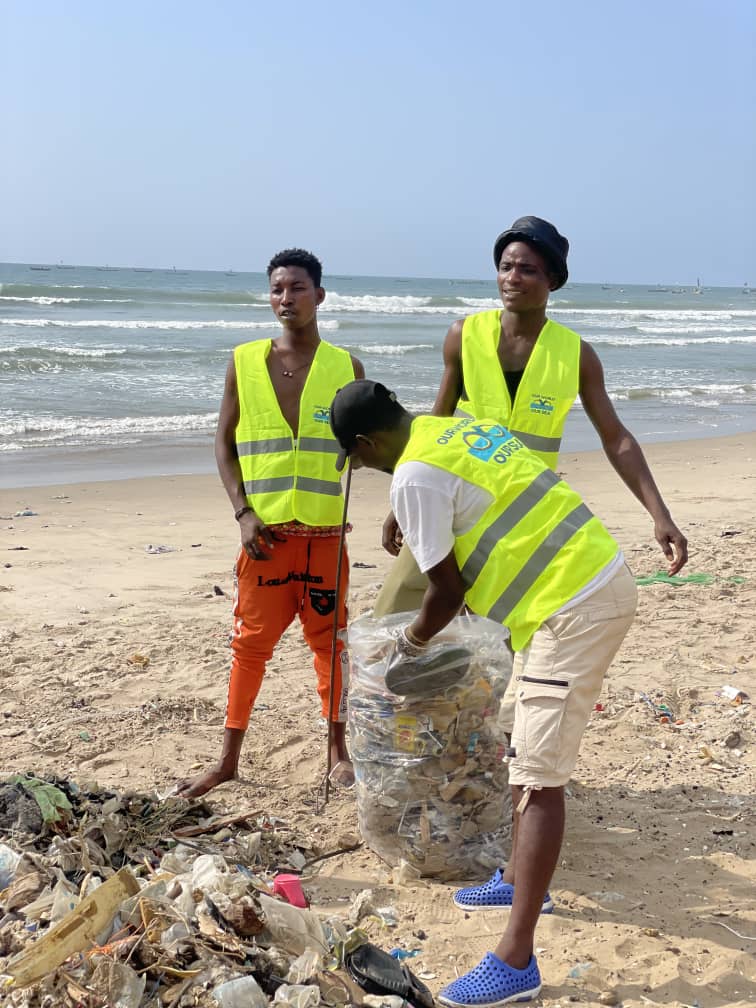
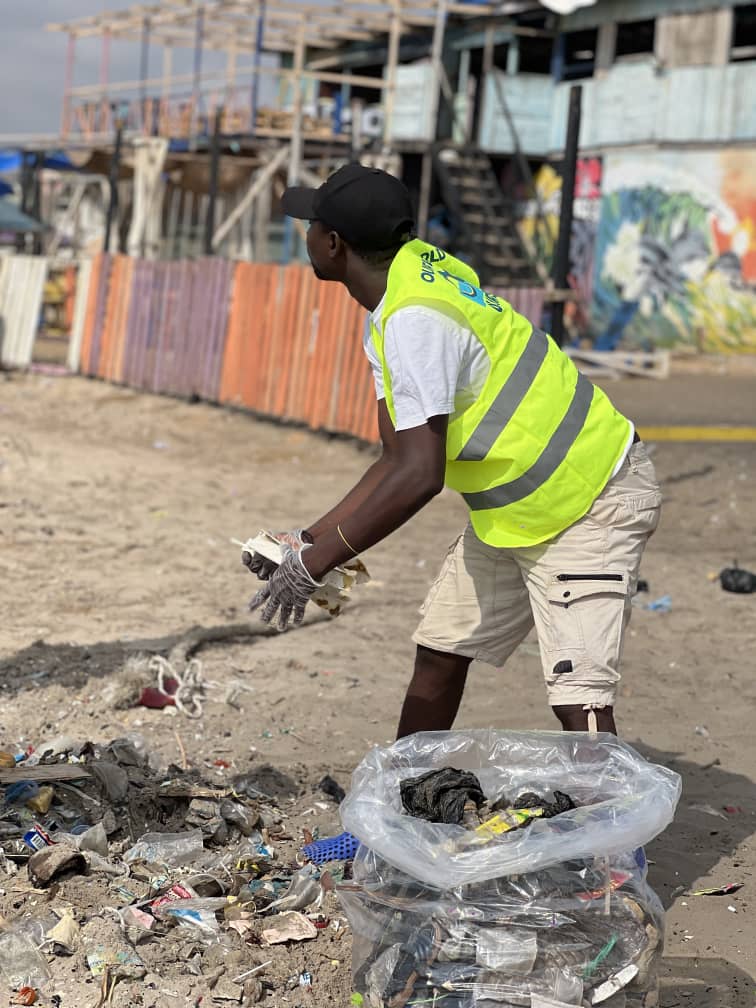
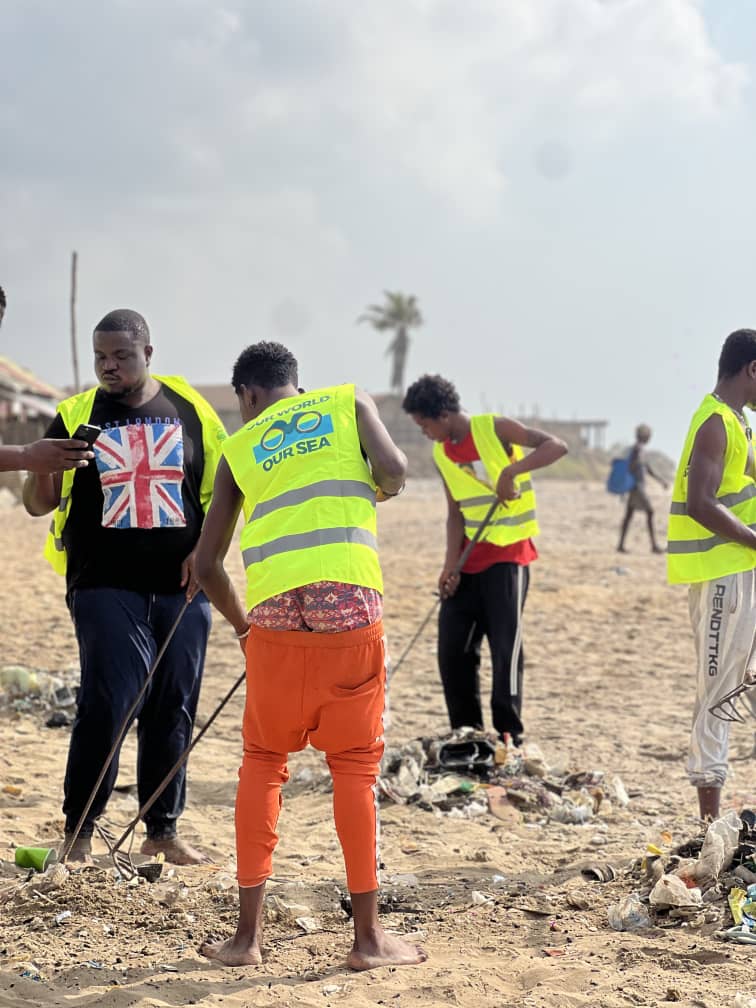
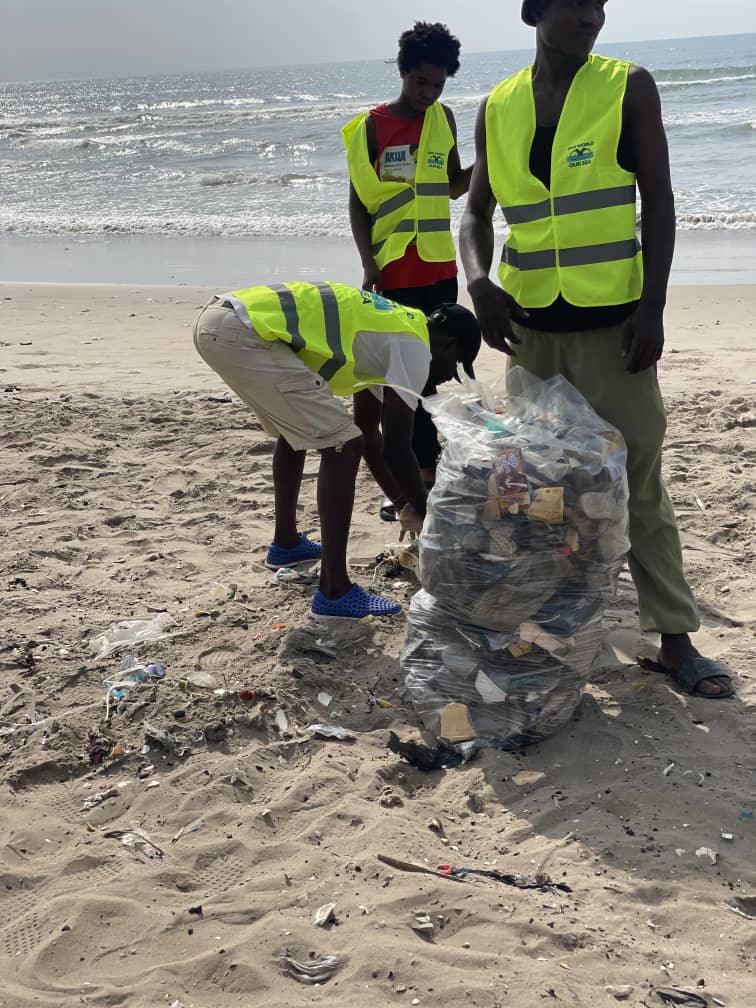
Beaches along the western coast are filled with plastic waste resulting from frequent tourist visits. Intense fishing in the area also leaves remnants of equipment, obsolete gears, and plastic debris. These beaches are vital nesting sites for sea turtles such as the green, olive ridley, and leatherback turtles. Since 2019, we have reduced these threats by promoting conservation, organizing beach clean-ups, and relocating eggs to hatcheries with the support of the SEE Turtle organization.
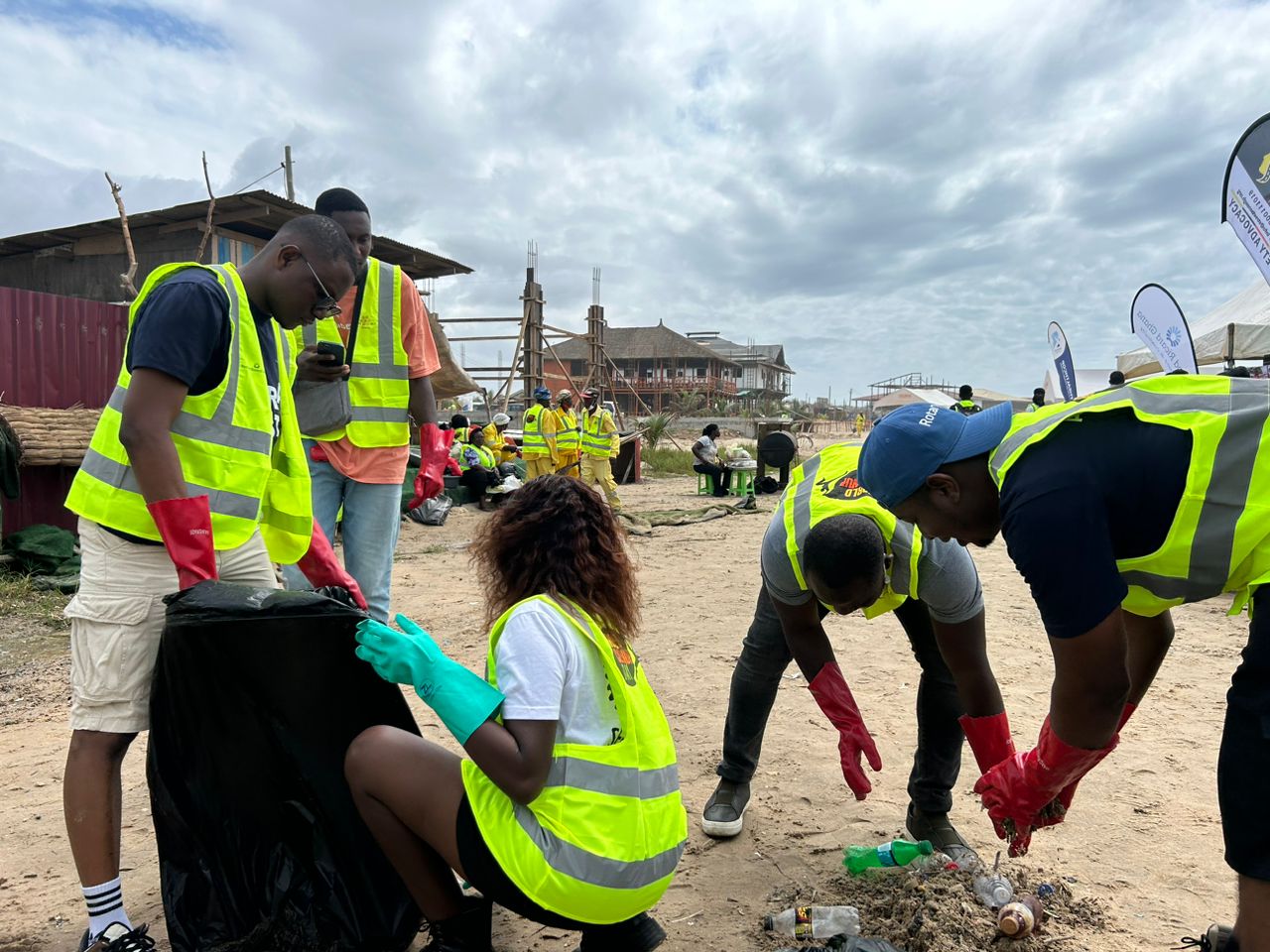
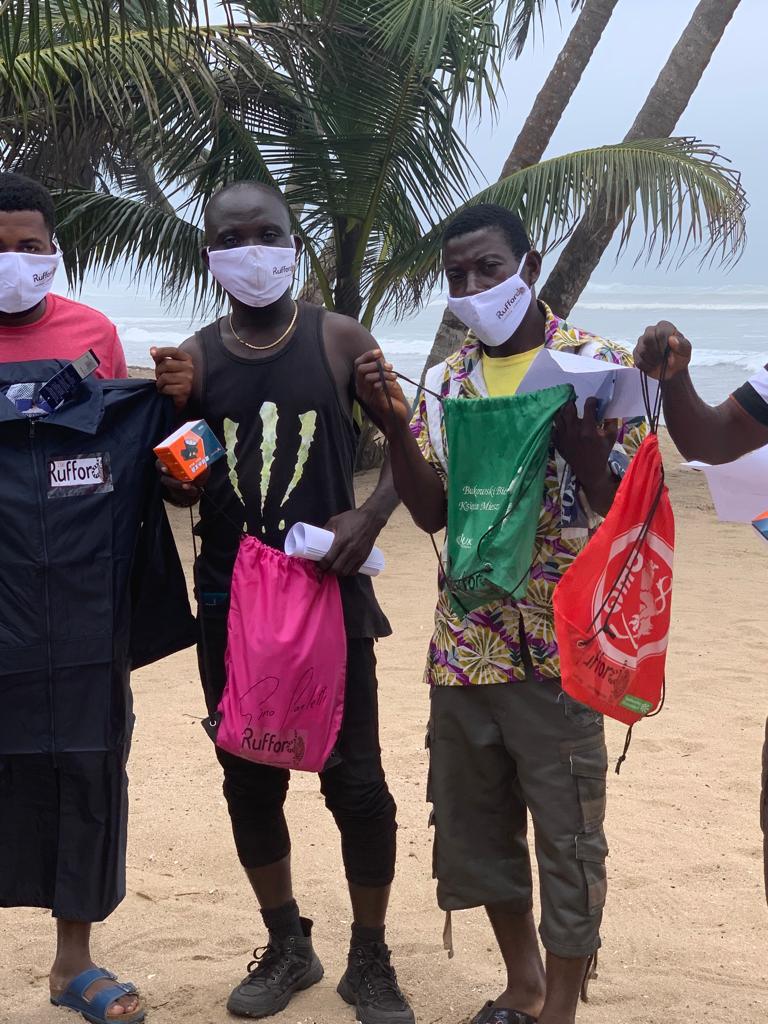
Ghana’s waters are home to several cetacean species, but limited research has left large knowledge gaps. High demand for cetacean products and poor monitoring could lead to unnoticed population declines. This project gathers vital data on cetacean populations and the threats from fisheries and offshore operations. Supported by the Rufford Small Grant and IDEAWild, it aims to guide sustainable, data-driven conservation strategies.
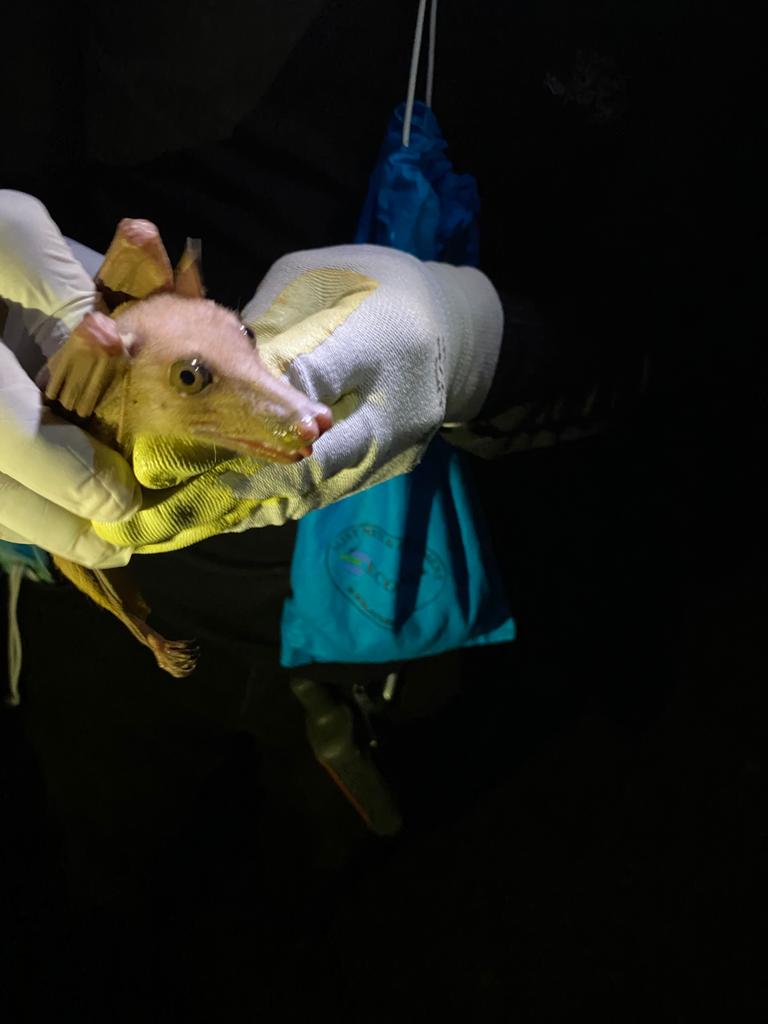
Urbanization and deforestation threaten fruit bats, vital pollinators with slow reproduction and long lifespans. These species depend heavily on trees, making them vulnerable to habitat loss. Our study explores fruit bat ecology and their adaptation to changing urban landscapes, aiming to understand their behavior and the potential for zoonotic disease transmission. Supported by ongoing biodiversity research initiatives.
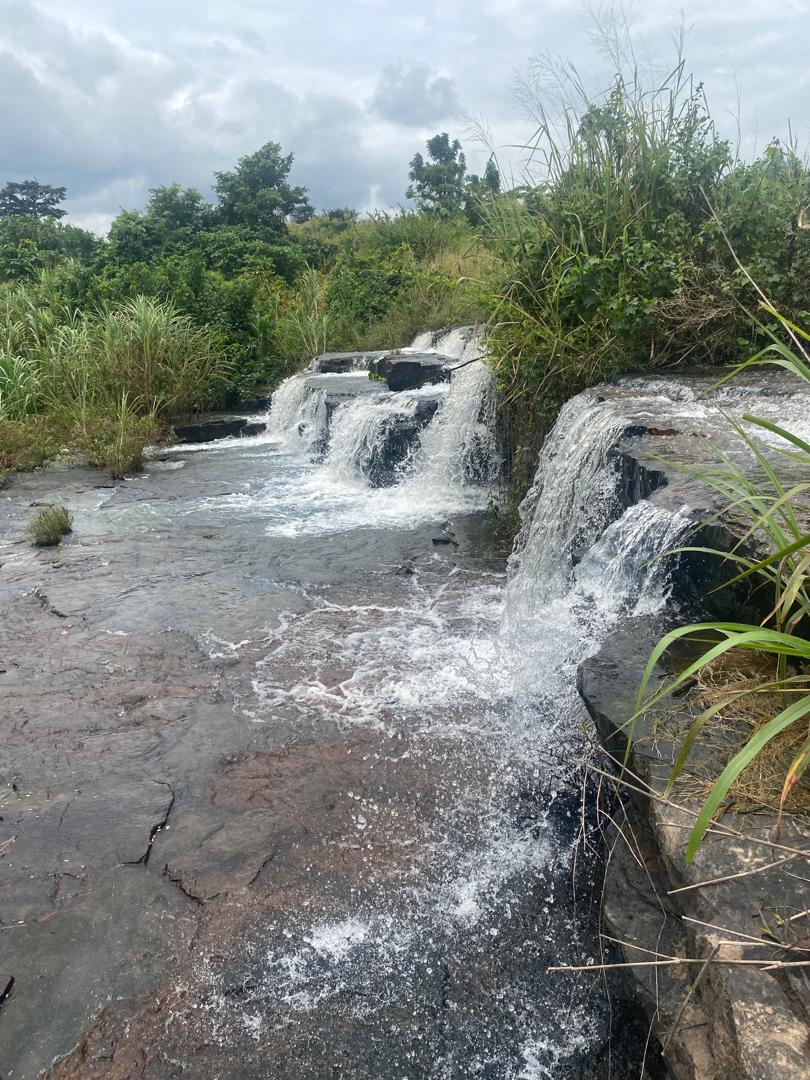
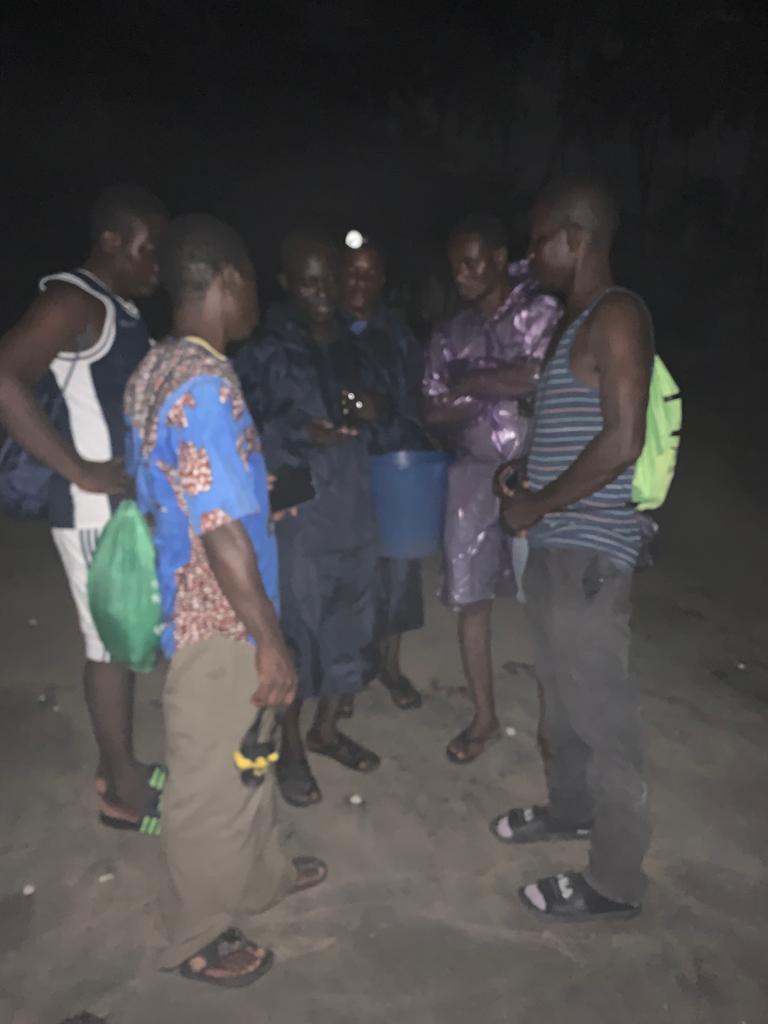
A glimpse into our conservation, research, and outreach programs in action. Explore our dedicated teams and the environments we work to protect.